Menopause
From IDAC Wellness
Let’s be honest—for most of us, the talk about hormonal changes is something we hear in passing, or perhaps from friends making jokes about hot flushes and mood swings. But very rarely are we given the real, honest, easy-to-understand information about what actually happens when premenopause (also known as perimenopause) comes knocking.
Here at IDAC Wellness, we believe that knowledge is power—and also that going through this transition doesn’t have to feel like a mystery or something to dread. Think of it less like “the end of an era” and more like moving into a wonderful new chapter of your life, even if the journey there feels a little bumpy at times!
If you are noticing small shifts in how your body feels or behaves, or you are approaching your 40s and wondering what’s coming your way, this article is for you. We’re breaking it all down simply, sharing what you can expect, and giving you our favourite natural ways to feel your best throughout the process.
✨ First things first: What exactly is it?Premenopause or perimenopause is the time leading up to menopause, when your body starts gradually reducing its production of oestrogen and progesterone. It usually starts anywhere between your mid-30s and mid-40s, though everyone’s timeline is different—your body has its own schedule, and that is perfectly okay!
Think of it a little bit like the reverse of puberty. Back then, your hormones were shooting up and changing everything; now, they are gently tapering down and readjusting. Just like when you were a teenager, things might feel a little unpredictable for a while, but it is all completely normal and part of being a wonderful, complex human body.
🔎 What can you expect?
Here’s the thing: there is no “one size fits all” experience. Some ladies sail through this time barely noticing anything, while others feel like their body has suddenly decided to take up a new hobby… and that hobby is being unpredictable! Here are the most common signs you might spot:
🌡️ The Temperature Rollercoaster
Ah, the famous hot flush! You could be sitting comfortably, feeling fine, and suddenly—WHOOSH—it feels like someone turned the heating up to maximum. You might feel your face go red, start sweating, or suddenly feel like you need to strip off layers even when everyone else is wrapped up warm. Night sweats are the bedtime version of this, where you might wake up feeling like you’ve slept in a sauna!
📅 Your Periods Become Mysterious
Your cycle might have been as regular as clockwork for years, and now suddenly it decides to do its own thing. You might get them closer together, further apart, lighter, heavier, or sometimes you wonder if it’s gone away completely… only for it to turn up fashionably late! Don’t panic—this is just your hormones doing their final dance before they settle down.
🧠 Brain Fog Hits
Ever walked into a room and forgotten why you went in? Or found yourself searching for a word that is usually right on the tip of your tongue? This is often called “brain fog” and it is so common. Your hormones play a huge role in how your brain functions, and as they shift, your focus and memory might feel a little fuzzy. Don’t worry—you haven’t lost your marbles, they are just taking a little nap for now!
🥺 Emotions On A String
One minute you’re laughing at a silly cat video, the next minute you’re crying because you saw a cute dog in the park. Sound familiar? Changing hormone levels can affect your mood, making you feel more irritable, tearful, or even a little more anxious than usual. It’s not that you’re “being difficult”—it’s just your internal chemistry adjusting.
💤 Sleep Gets Tricky
You might find it harder to fall asleep, or you wake up wide awake at 3am wondering why your brain has decided that is the perfect time to plan your whole future and rearrange your entire wardrobe.
🤷♀️ Other Little Surprises
You might notice changes to your skin (hello dryness or sudden breakouts!), your hair (it might feel thinner or drier), or even that your joints feel a little stiffer than usual. You might also notice your energy levels change—some days you feel like you could run a marathon, and other days putting the kettle on feels like a major achievement.
🌿 Natural Solutions: Your Wellness ToolkitNow for the good news! You don’t have to just sit back and let these changes happen to you. There are so many beautiful, natural ways to support your body, balance your energy, and help you feel like you again. At IDAC Wellness, we are passionate about working with nature to help you thrive. Here is what we recommend:
🥗 Feed Your Hormones Well
Your hormones are made from the nutrients you eat, so think of food as fuel and medicine all in one!
• Eat good fats: Oestrogen is made from fats, so include things like avocados, nuts, seeds, olive oil and oily fish in your diet. These are your body’s building blocks.
• Balance your blood sugar: Try to eat protein, healthy fats and fibre with every meal. This helps keep your energy steady and stops those mood swings and energy crashes.
• Phytoestrogen foods: Foods like lentils, chickpeas, flaxseeds, soy products and whole grains contain natural compounds that gently support your hormone levels, acting as a natural balancing agent.
• Stay hydrated: Drinking plenty of water helps keep your skin glowing, your digestion happy, and can even help reduce the intensity of hot flushes.
🧘♀️ Move Your Body – Gently
We know, some days the last thing you want to do is exercise! But movement is magic for premenopause. You don’t have to run a marathon or spend hours in the gym.
• Yoga and stretching: These are wonderful for easing stiff joints, calming the mind and improving sleep.
• Walking: A lovely walk in fresh air is one of the best things you can do—it boosts your mood, helps your circulation and keeps your heart healthy.
• Strength training: Building a little muscle mass helps support your bones and metabolism, which both change during this time.
🌙 Prioritise Rest and Relaxation
Stress is the enemy of balanced hormones! When you are stressed, your body produces cortisol, which uses up the resources your body needs to make your reproductive hormones.
• Try simple breathing exercises or meditation—even just 5 minutes a day makes a huge difference.
• Create a calming bedtime routine: dim the lights, put the phone away, and maybe enjoy a cup of calming herbal tea.
• Herbal helpers: Nature has provided some amazing plants that have been used for centuries to support women through this time. Red clover, sage, black cohosh and dong quai are well-known herbs that can help reduce hot flushes and balance moods. Always check with a qualified practitioner before starting new herbs, just to make sure they are right for you.
💖 Look After Your Mind and Spirit
This is a time of transition, and it is completely normal to feel a mix of emotions. You might feel excited, you might feel sad, you might feel confused—and all of that is okay!
• Talk about it: So many women suffer in silence because they think they are the only one feeling this way. Chat to your friends, join supportive groups, or talk to us here at IDAC Wellness. Sharing your experience makes it feel lighter.
• Self-care is not selfish: Now is the perfect time to really listen to your body. If you are tired, rest. If you need some quiet time, take it. You have spent years looking after everyone else—now it’s your turn.
💛 Final Thoughts From IDAC WellnessLadies, premenopause is not an illness or something to be feared—it is simply a sign that your body is doing exactly what it is designed to do. Yes, it can feel a little uncomfortable or confusing at times, but with the right information and the right support, you can glide through it with grace.
You are not alone on this journey. Here at IDAC Wellness, we are here to guide you, support you, and help you find the natural solutions that work perfectly for you. Remember: you are strong, you are beautiful, and your body is amazing—even when it’s being a little bit unpredictable!
If you have questions, or would like to talk about how we can help support your wellness journey, please get in touch. We would love to hear from you.
Here’s to your health, happiness and glowing wellness!
— The Team at IDAC Wellness
THE IDAC WELLNESS GUIDE TO HERBAL TEA
THE IDAC WELLNESS GUIDE TO HERBAL TEA
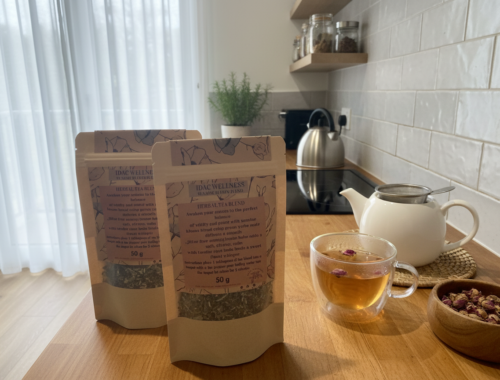
So your herbal tea has arrived! Now you’re probably wondering two things: What’s the best way to prepare it? And how long will it take to feel the benefits? (assuming it’s medicinal in nature).In this post we’ll answer some of the common questions we get, including:
What is the history of herbal tea?
How do you prepare herbal tea?
How long until you feel the benefits from medicinal tea?
How can you set the scene around your herbal tea?
Our herbal tea guide has everything you need to make herbal tea drinking a positive and sustainable addition to your daily routine….The History of Herbal Tea
Let’s start at the beginning. What exactly is tea? Tea is any beverage prepared by soaking plants in hot water. We can divide teas into two types. The first is made from the Camellia sinensis plant. The second, also known as tisanes or herbal teas, are infusions made from any other plant or plant parts – think fruits, leaves, roots, seeds, flowers or even bark. Herbal teas have been enjoyed around the world for thousands of years – for their flavour and their health benefits.
Around 2000 years ago, scholars published the first Chinese book on pharmacology called Shen Nong’s Materia Medica. It detailed the second type of tea above, with 365 plants and their medical properties. Ever since, the list of medicinal plants has been expanding.
Extracting the Beneficial Properties from Herbal Tea
Each herbal tea provides different benefits depending on its ingredients. There are steps you can take to maximise these.
To get the best benefits from your tea, it’s important to:
Choose quality herbal blends with carefully selected, quality ingredients. If you have a Zen Maitri tea, we’ve done the hard work on this part for you!
Learn how to brew tea properly and drink it while it’s still fresh.
Create a mindful tea drinking habit.
Store your tea in a dark, cool place – preferably in an airtight container away from strong odours and moisture. This will prolong its lifespan and maintain the potency of each ingredient.The Perfect Cup: How to Brew Herbal Tea
Brewing herbal tea is easy…
Bring fresh spring water to a boil
Water quality and mineral content play an important role in preparing a perfect cup. They may enhance the flavour and extraction rate of different nutrients. Don’t boil more water than you need.Preheat your teapot or a mug with hot water (before rinsing)
Preheating your teapot or a mug will help maintain the water temperature and extract more nutrients.Use a proper loose herbs/water ratio
Measure 1 teaspoon of loose herbs per cup of water (around 200 ml) or follow the instructions on the packaging. Using the right herbs:water ratio will help you infuse the right amount of nutrients.Cover and steep for 5 minutes
Add boiling water and cover with a lid or a saucer. Covering your teapot or mug will help maintain the water temperature. 5 minutes will be enough brewing time for most herbal teas.Strain and enjoy while fresh
To prevent over-brewing and avoid any potential bitterness, strain the herbs once the infusion is ready. Enjoy it when it’s freshly brewed. Infused tea may lose its potency as it cools down.How Quickly Will You Feel the Benefits?
There are more than 50,000 plants that offer medicinal properties. Some have immune-boosting benefits, some are natural sedatives. With so much variety in the natural world, professional medical herbalists are on hand to determine the perfect ratio of ingredients and create a functional blend.
Each blend may take different time to show efficiency. Some teas may offer results immediately, while others could take a few weeks or even a few months or regular use.
For example, some benefits you will see immediately are:
An energy boost from
green tea
or ginseng
Cough relief
within 10 minutes of drinking
marshmallow root
Same day relief from
nausea
when drinking
ginger
Some benefits you will see after a few weeks or months are:Improved sleep
after a week or so of drinking a tea with
passionflower
Better sleep quality
with long term
chamomile
tea
Improved immunity
when you incorporate
tulsi
into your routine
Blends that contain different ingredients may offer both immediate and long-term results. For example, a blend of ingredients in our Night Time Tea helps you wind down right after drinking, but it will also improve the quality of your sleep in the longer term.Teas that ease the symptoms of anxiety, depression, stress and immunity need longer to show their effectiveness. Introducing these teas into your daily routine for the long term is the best way to see results.
So how do you turn a tea with medicinal properties into a seamless part of your routine?
Creating the Perfect Environment for Drinking Tea
We know, it’s hard to find time for yourself. But developing a routine of mindful tea drinking is the perfect place to start.
Put simply, mindfulness means being present in both mind and body and noticing the world around you. Building a routine around your tea drinking can help you develop a habit of being present and in the moment. Here are some straightforward steps…
1. Find the perfect spot
You can drink tea anywhere, but we recommend a tidy, peaceful space that will help you relax.
2. Choose a perfect time
If you want to incorporate mindful tea drinking into your daily routine, find a time and stick to it. The best times are when you won’t be distracted. Early in the morning or late in the evening are perfect. Developing a mindful tea ritual can be a building block to having a better day, every day.
3. Choose your teaware with care
It may sound trivial, but why not choose a mug that’s just for you and your mindful tea moments?
4. Take time to follow brewing instructions
Don’t skip any steps. Immerse yourself in the scent, beauty and colour of the blend and allow yourself to taste each sip. Notice how it makes you feel.
5. Be greatful
Your tea moments can be so much more than a tasty or medicinal infusion. Why not use the time to be mindful about the things you are grateful for. Studies suggest that simple gratitude exercises can make you happier and improve your mental wellbeing.
Now it’s over to you…
In this short guide, we’ve covered all the steps you need to live a better and healthier life with tea. Now it’s your turn to start incorporating these steps into your daily routine…
GLP – 1 RESET program
GLP-1 reset program